Opening date (round 3): 6 January 2027 – 2 February 2027

Opening date (round 3): 6 January 2027 – 2 February 2027
Applications for funding can be made through the four application types (above). Click on the image to go to a new page with more information about each funding type.
When you log into the online grants system you will need to choose Lottery funding and then one of these four application types.
If you have not applied for lottery grant funding previously, we recommend all first-time applicants talk to a Community Advisor before applying. Please call us on 0800 824 824 or email community.matters@dia.govt.nz.
The purpose of the Lottery Fund is to distribute the profits of New Zealand lotteries, for community purposes only, to projects, initiatives and activities that deliver community benefit of a public nature, and contribute to the building of strong, sustainable communities in New Zealand.
Funding is available to not-for-profit organisations with legal entity status, including limited liability bodies registered with Charities Services.
Organisations must have governance, financial management, and administrative systems appropriate to the size and complexity of the funding requested.
Applicants must comply with all relevant legal, constitutional, and reporting obligations.
Grant recipients must use funding only for the approved purpose and must account for how funding was used and the community outcomes achieved.
Multiple organisations can collaborate and one legal entity can apply on behalf of the group.
A fundholder, that is a legal entity, may request and manage funding on behalf of a non-legal entity. Please see this page for more information: Fundholders and fundraisers
Applications
Organisations can submit more than one application to a funding round if each application is for a different purpose and meets the eligibility requirements of the relevant funding category.
Organisations with existing grants, including multi-year grants, can apply for additional funding if the new application is for a different purpose and meets the eligibility requirements of the relevant funding category.
Previous funding does not guarantee future funding. When assessing applications, we consider any funding previously received, the outcomes achieved, funding available, and how well the application demonstrates ongoing benefits for the community.
Organisations may also apply for funding for the same or a substantially similar purpose in a future funding period where they continue to meet the eligibility requirements and can demonstrate an ongoing community benefit.
Funding applications will need to show how the project, initiative or activity will support building strong, sustainable communities, in one or more of the following five areas.
Community-led planning and development – Supporting locally driven planning, development, innovative approaches, and access to technical advice.
Governance and organisational capability – Strengthening leadership, governance, organisational effectiveness, and sustainability planning.
Skills and workforce development – Building volunteer capacity, workforce capability, and community skills through training.
Intergenerational knowledge sharing – Enabling the transfer of knowledge, values, identity, and learning across generations.
Community resilience and preparedness – Supporting resilience initiatives, including emergency preparedness.
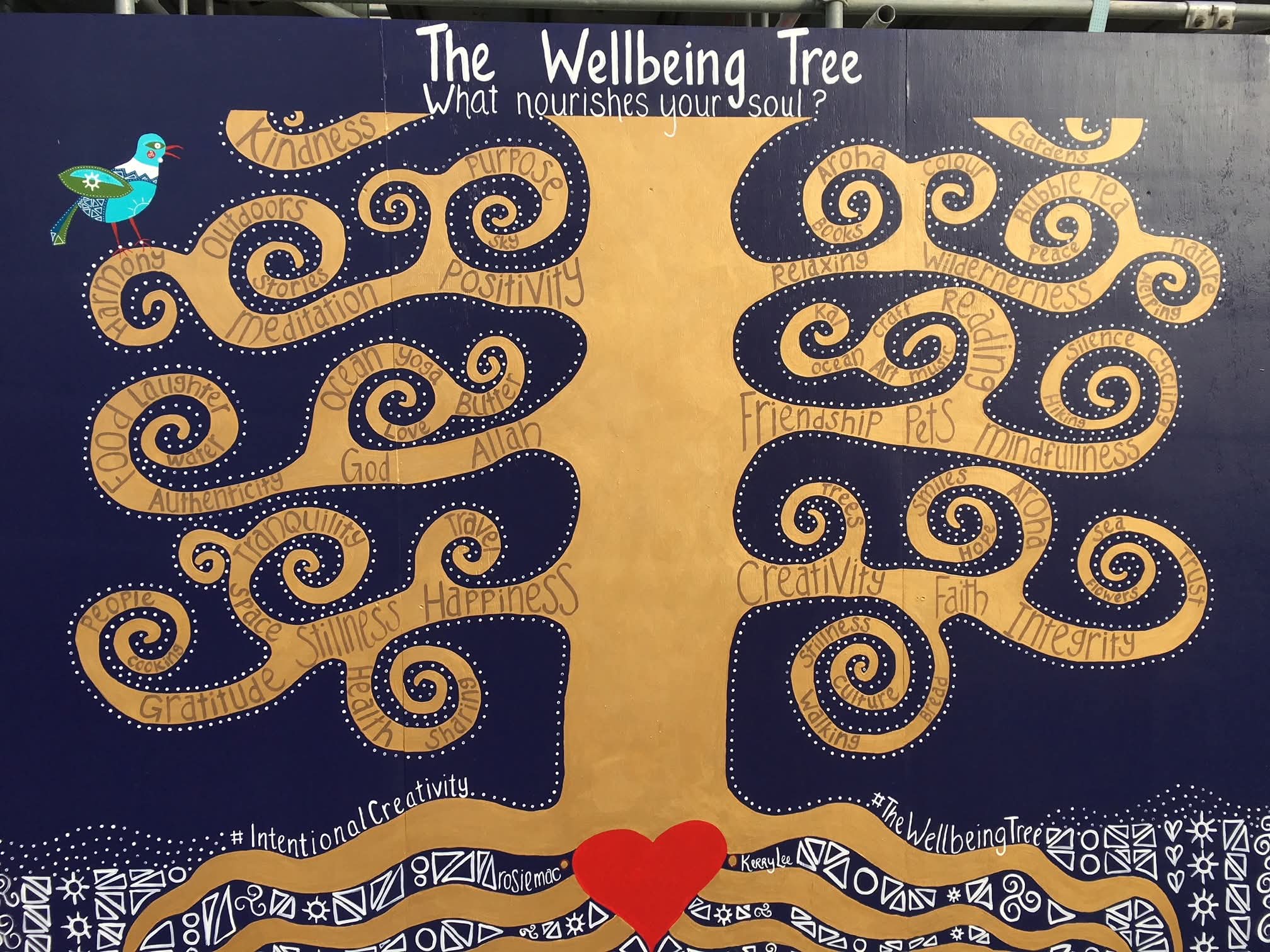
Community spaces and connection – Strengthening spaces and places that foster wellbeing, identity, and community connection.
Community participation and connection – Enabling events, gatherings, and shared activities that foster belonging and wellbeing.
Inclusion and accessibility – Improving access, inclusion, and culturally responsive participation opportunities, including funding equipment that supports participation by people with disabilities.
Access to community spaces and facilities – Supporting accessible activities, facilities, shared spaces and community infrastructure.
Planning and feasibility – Supporting assessments of community need, accessibility, and long-term viability of shared spaces.
Outdoor and water safety – Delivering safety education, awareness, search and rescue, and emergency response initiatives by organisations whose primary purpose is safety.
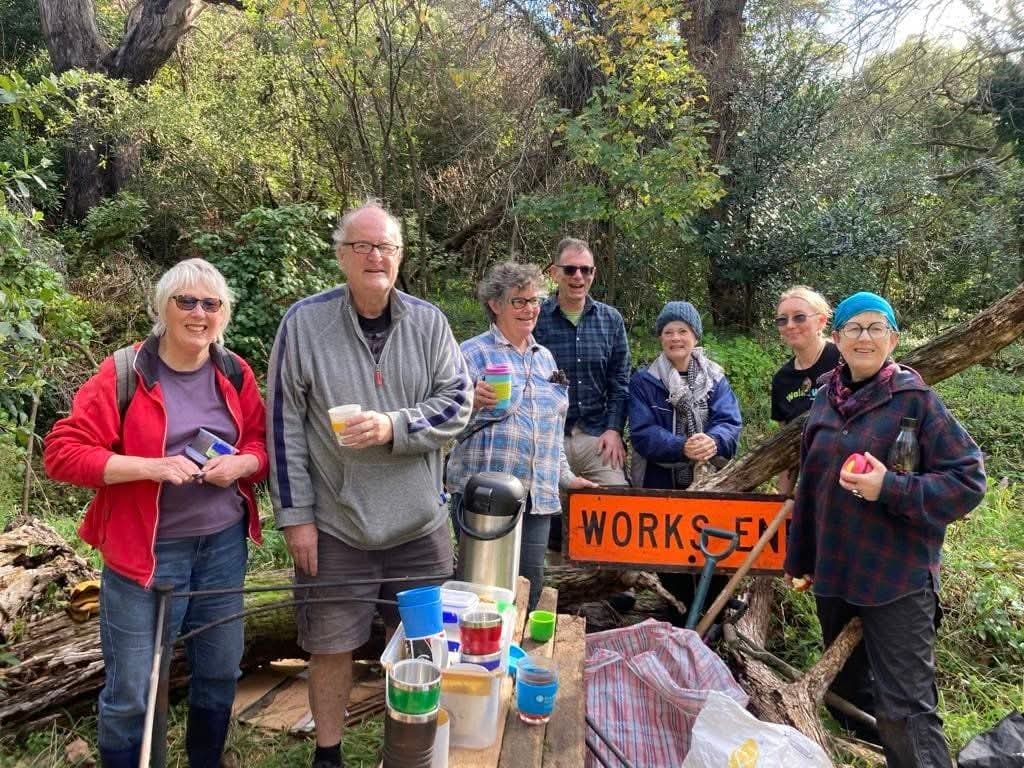
Environmental protection and restoration – Protecting, conserving, and enhancing the natural environment and biodiversity.
Sustainability and resilience initiatives – Supporting environmental activities that promote sustainability, strengthen community capacity to adapt to change, and improve resilience to risks and natural hazards.
Research, planning, and monitoring – Enabling evidence-based environmental outcomes through specialist advice and analysis.
Environmental education and stewardship – Building awareness and community participation in environmental care.
Environmental infrastructure and spaces – Supporting infrastructure, community spaces, and facilities that contribute to environmental protection, restoration, access, and community wellbeing.
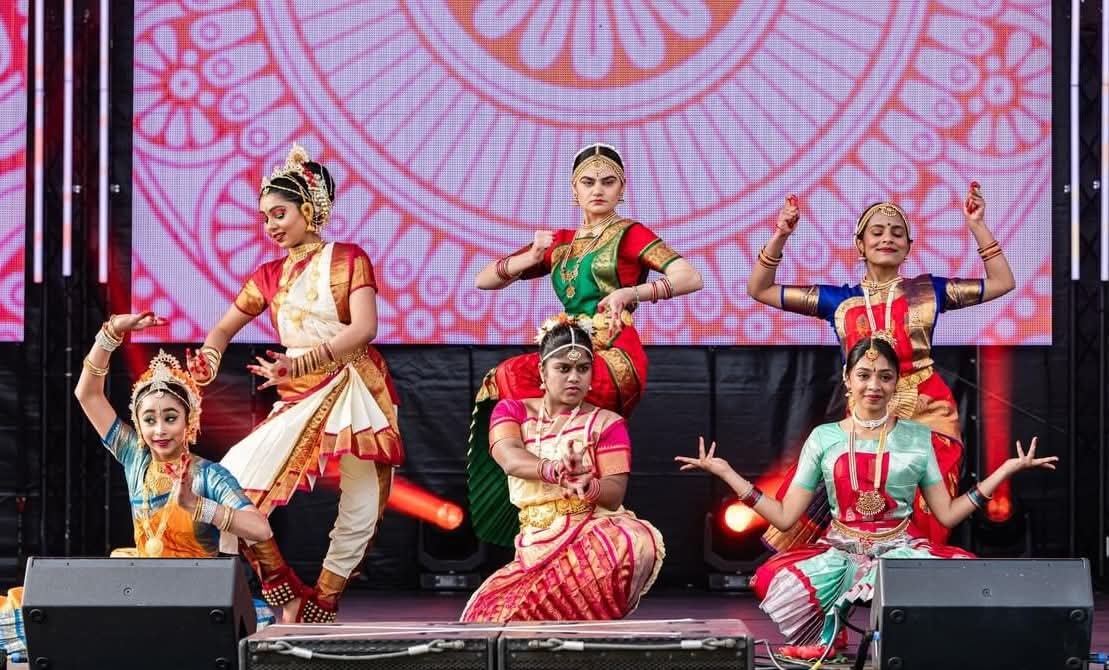
Cultural identity and connection – Strengthening identity, understanding, and sense of place, including mātauranga Māori.
Heritage protection and conservation – Preserving New Zealand’s physical and cultural heritage.
Planning and knowledge preservation – Supporting planning, research, archiving, digitisation, oral histories, and specialist assessment that guide preservation, conservation or restoration activities.
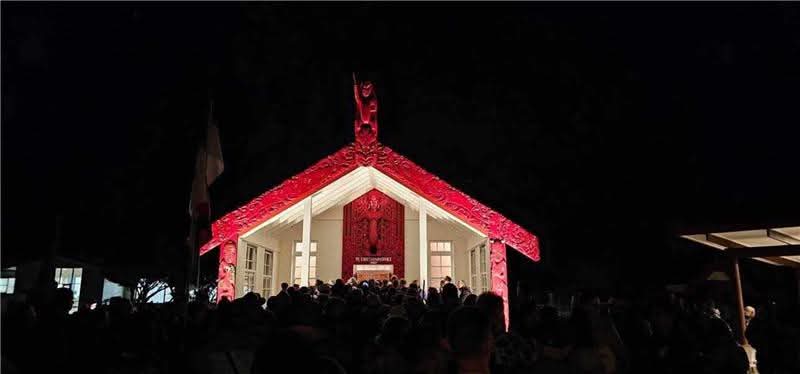
Cultural and heritage infrastructure – Developing and sustaining facilities, including marae, collections, archives, memorials, monuments, statues, and exhibitions.
Intergenerational learning – Enabling knowledge sharing and cultural continuity
Arts and cultural participation – Supporting arts, cultural, heritage, and educational initiatives that enhance participation, cultural expression, identity, and sense of place.
Sport and recreation facilities – Developing, upgrading and maintaining multi-use community-based sport and recreation facilities and assets where there is demonstrated community need.
Sport and recreation infrastructure planning – Supporting feasibility studies and planning to assess the need and long-term viability of multi-use sport and recreation facilities.
Recreation and wellbeing – supporting recreational activities that promote participation, wellbeing, and community connection.
There are four funding rounds in the 2026/27 financial year. For the funding round dates see the: Funding calendar
Community groups can update and access their draft applications at any time through the year but can only submit applications when applications are accepted during the funding round opening and closing period.
Once applications have been submitted they can no longer be edited.
What Lottery funding will not fund
Changes to the Lottery Grants Board committee structure
Lottery distribution committees